
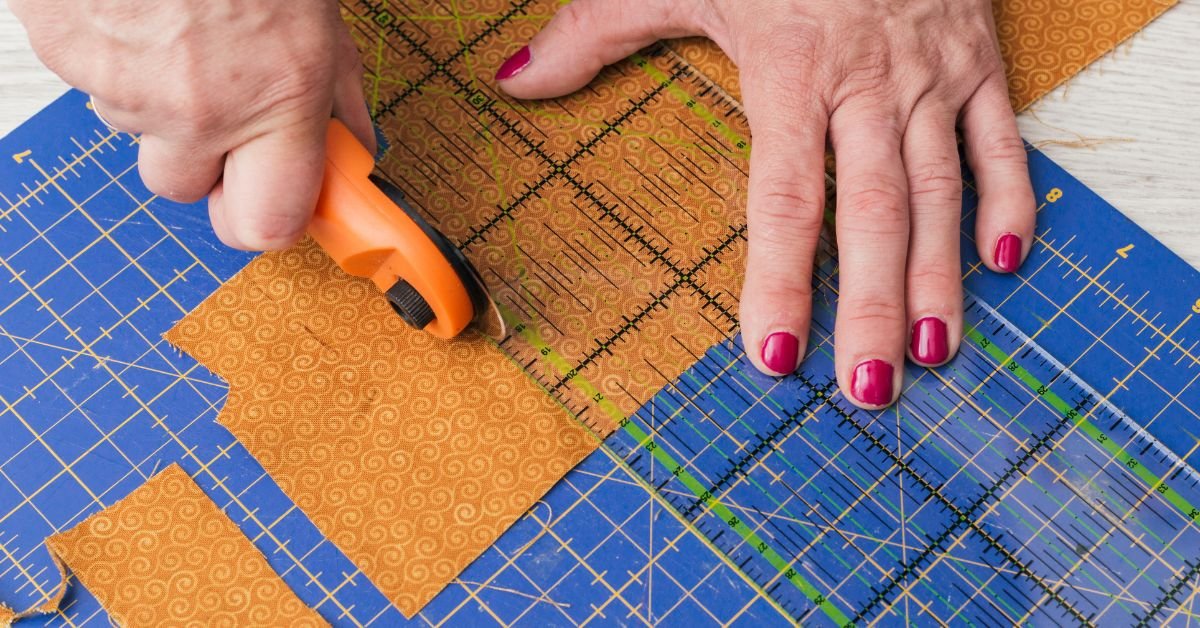

If you’re an avid quilter or someone just beginning to explore the wonderful world of quilting, then you’ve probably heard of American Patchwork & Quilting Magazine. This magazine has been a trusted source for quilting inspiration, tips, and projects since its debut. One of the unique aspects of this publication is its extensive collection of back issues, which are packed with valuable content like quilting patterns, techniques, and quilting-related articles. These back issues are more than just nostalgic treasures—they hold practical information and inspiration that can benefit quilters of all skill levels.
What Are American Patchwork & Quilting Magazine Back Issues?
Back issues of American Patchwork & Quilting Magazine refer to older editions of the magazine that were published before the current issue. These issues, which are often archived, contain patterns, tutorials, and project ideas that are still relevant today. Many quilters, especially collectors and long-time fans, seek out these back issues for the wealth of content they offer. Some may be out of print, but you can often find them through various online platforms or through quilting shops that specialize in vintage quilting magazines.
Why Collecting Back Issues is Worthwhile
Collecting American Patchwork & Quilting Magazine back issues offers a range of benefits. First and foremost, these back issues provide access to a treasure trove of unique quilting patterns that may no longer be available in current editions. They also allow quilters to track the evolution of the magazine’s content, from newer techniques to vintage designs, which can provide both inspiration and insight into how quilting has changed over the years.
How to Find American Patchwork & Quilting Magazine Back Issues
Finding American Patchwork & Quilting Magazine back issues might seem challenging, but there are several methods to locate them. Here’s how you can track them down:
- Online Marketplaces: Websites like eBay and Etsy often have a wide range of back issues. These platforms are great for finding both single issues and bulk collections.
- Quilting Specialty Shops: Some quilting stores, both online and physical, specialize in vintage quilting magazines and back issues. It’s worth reaching out to these stores to inquire about availability.
- Auction Sites: Occasionally, back issues may be available in auctions, where you might be able to grab a rare issue or a full set for a competitive price.
- Magazines’ Official Website: American Patchwork & Quilting Magazine occasionally offers back issues for sale directly through their website. This is a reliable source to find older issues in good condition.
- Library Archives: Local libraries or university libraries often archive magazines, including American Patchwork & Quilting Magazine. Many libraries allow you to access these back issues digitally, or you can request a physical copy.
The Value of Collecting Back Issues
Many quilters wonder why they should bother collecting old issues when the magazine’s current editions continue to offer fresh content. Here are a few reasons why back issues hold value:
- Exclusive Patterns and Projects: Each back issue offers a unique selection of quilting patterns and projects that may not be available elsewhere. Collecting these issues lets you build an extensive library of quilting designs over time.
- Learning Opportunities: Older issues can serve as a fantastic learning resource. You can explore quilting techniques from a historical perspective and compare how quilting methods have evolved.
- Inspiration from Quilting History: Quilting is an art form with a rich history. Back issues give you a glimpse into past trends and styles, helping you understand the roots of contemporary quilting.
- Rare Finds: Some back issues may be out of print and no longer available. For collectors, owning a rare or limited-edition magazine can be a special achievement.
- Great Gift for Quilters: If you have friends or family who are quilting enthusiasts, back issues can make a thoughtful and unique gift. They allow you to share the joy and creativity of quilting from different eras.
How to Care for and Preserve Your Collection
Once you’ve begun collecting American Patchwork & Quilting Magazine back issues, it’s important to preserve them properly so they remain in great condition. Here are a few tips:
- Store Magazines in a Cool, Dry Place: To prevent pages from yellowing or becoming brittle, store your magazines in a cool, dry place away from direct sunlight.
- Use Magazine Sleeves: Plastic magazine sleeves or archival-quality folders can protect your issues from dust, moisture, and damage.
- Handle with Care: When flipping through your collection, be sure to handle the magazines gently. If possible, use cotton gloves to avoid transferring oils from your fingers onto the pages.
- Consider Framing: For particularly special or rare issues, you might want to frame the cover or a key page from the magazine as a display piece.
- Create a Catalog: If you’re collecting multiple issues, consider cataloging them. This will help you keep track of which issues you have and which ones you need to complete your collection.
Table: Best Resources for Finding American Patchwork & Quilting Magazine Back Issues
| Source | Details | Website Links |
|---|---|---|
| eBay | A marketplace with both individual and bulk listings. | www.ebay.com |
| Etsy | A great place to find vintage or rare issues. | www.etsy.com |
| Quilting Specialty Shops | Niche stores often have back issues for sale. | Search online for local quilting shops. |
| Official Website | Direct sales from the magazine publisher. | www.allpeoplequilt.com |
| Library Archives | Access physical or digital copies at your local library. | Visit your local library or online catalog. |
FAQs About American Patchwork & Quilting Magazine Back Issues
How far back can I find American Patchwork & Quilting Magazine back issues?
Back issues of the magazine can go as far back as its first issue in 1984, though availability may vary depending on the seller or platform.
Are American Patchwork & Quilting Magazine back issues more expensive than current issues?
Generally, back issues may be priced higher, especially if they’re rare or in high demand. However, prices can vary greatly depending on the issue’s rarity, condition, and market demand.
Can I access digital versions of American Patchwork & Quilting Magazine back issues?
Yes, some back issues are available digitally. Check the magazine’s website or platforms like Zinio for digital archives.
Are there any subscription services that offer past issues of the magazine?
Subscription services like Magzter and Zinio may offer access to past issues for digital download, though availability is subject to the platform’s catalog.
What’s the best way to organize my American Patchwork & Quilting Magazine back issues?
Organizing your collection by date or by project type can make it easier to navigate. Use magazine boxes or shelving to store them neatly and protect them from damage.
