
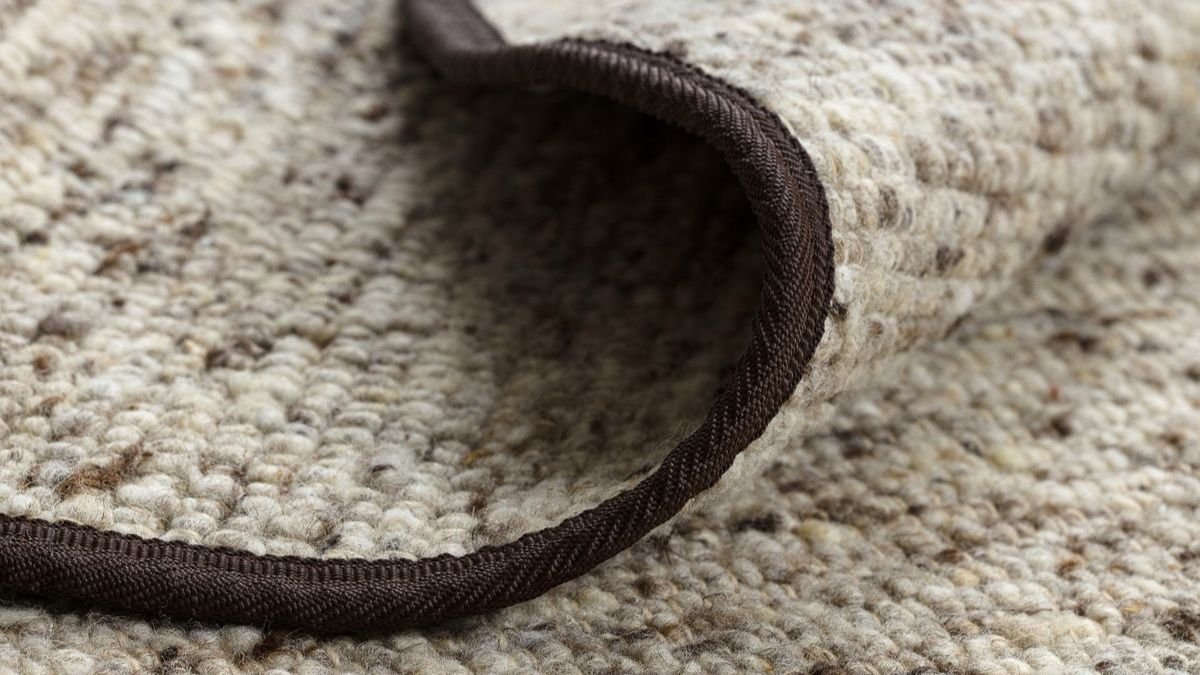

The growing demand for natural, sustainable, and functional materials has brought renewed attention to products like wollmatten. These wool-based mats offer a unique combination of strength, insulation, softness, and eco-friendliness, making them useful in many industries. From home interiors to agriculture, construction, packaging, and environmental projects, wollmatten have proven to be a reliable material with long-term performance. They are valued not only for their durability but also for their ability to regulate temperature, absorb moisture, and resist odors.
In this detailed article, you will discover everything you need to know about wollmatten, including what they are, how they are made, where they are used, and how they compare to synthetic alternatives. You will also learn their benefits, environmental impact, and the best ways to care for them. Whether you are a homeowner, gardener, farmer, designer, or manufacturer, this guide provides clear, practical knowledge to help you understand why wollmatten have become so popular.
Table of Contents
What Are Wollmatten?
Wollmatten are thick, felt-like sheets made from natural wool fibers. These fibers are pressed or mechanically bonded together to form strong and flexible mats. Traditionally, they were used in rural and pastoral lifestyles, but today they are widely used in modern industries because of their sustainability and versatility.
Wool has several natural properties that make it ideal for creating mats. It provides excellent insulation, absorbs moisture without feeling wet, resists odors, and is naturally fire-retardant. These qualities make wollmatten a practical choice in both indoor and outdoor applications. Unlike many synthetic materials, they are biodegradable, renewable, and safe for the environment.
How Wollmatten Are Made
The production process involves several careful steps to ensure durability and consistency. Below is a simple explanation of how manufacturers create high-quality wollmatten:
1. Wool Collection and Sorting
Wool is collected from sheep and sorted based on texture, thickness, and cleanliness. Only high-quality fibers are selected for making mats.
2. Cleaning and Washing
Raw wool contains dirt, oils, and natural lanolin. It is thoroughly cleaned and washed to prepare it for processing.
3. Carding and Layering
Wool fibers are aligned through a carding machine, creating thin sheets. These sheets are layered to form the desired thickness.
4. Felting or Bonding
Mechanical pressure, heat, or water is applied to bind the fibers together. This strengthens the mat and ensures long-lasting structure.
5. Cutting and Finishing
The wollmatten are cut into various sizes and thicknesses based on the final use. Some mats may also be stitched or reinforced at the edges.
Main Uses of Wollmatten
One reason why wollmatten are so popular is that they can be used in many different fields. Here are the most common applications:
1. Home and Interior Use
Wool mats are known for their softness and warmth, making them ideal for home interiors. They are often used for:
- Floor insulation
- Carpet underlays
- Sleeping pads
- Soundproof room panels
- Mattress layers
Because they regulate temperature naturally, wollmatten help rooms stay warm during winter and cool during summer.
2. Agriculture and Gardening
In gardening and farming, wollmatten offer several practical uses:
- Protecting plants during cold weather
- Preventing weed growth
- Serving as moisture-retaining mulch
- Providing root protection for trees
They allow air and water to pass through while preventing weeds, making them an eco-friendly alternative to plastic sheets.
3. Construction and Insulation
Wool-based mats are used in construction for thermal and acoustic insulation. They are effective in:
- Roof insulation
- Wall lining
- Sound-damping panels
- Under-floor heating systems
Because wool naturally regulates moisture, wollmatten help prevent mold and maintain indoor air quality.
4. Packaging Industry
Wool mats are increasingly used to package fragile or temperature-sensitive goods. They provide:
- Shock absorption
- Thermal protection
- Eco-friendly packaging alternatives
Many companies prefer them because they reduce plastic waste and are fully biodegradable.
5. Environmental Projects
Wollmatten are used in various ecological and restoration projects, including:
- Erosion control on slopes
- Riverbank stabilization
- Soil restoration
- Reforestation protection layers
Their natural structure strengthens soil and helps retain moisture during plant growth.
Benefits of Wollmatten
Wollmatten are valued for many reasons. Some of the most important benefits are listed below:
1. Natural Insulation
Wool fibers create tiny air pockets that trap heat, making wollmatten excellent for thermal insulation. They work well in both warm and cold climates.
2. Moisture Regulation
Wool absorbs moisture naturally, up to 30% of its weight, without feeling damp. This helps maintain a balanced environment and prevents mold.
3. Durability and Strength
With proper care, wollmatten last for many years. Their natural structure makes them resistant to tearing and compression.
4. Eco-Friendly Material
Wool is renewable, biodegradable, and compostable. Unlike synthetic mats, it does not produce microplastics or toxic waste.
5. Sound Absorption
Because of their dense texture, wollmatten reduce noise levels. They are commonly used in music studios, offices, and homes.
6. Odor Resistance
Natural wool fibers resist odors, making them ideal for indoor environments and packaging sensitive products.
7. Non-Toxic and Safe
Wool mats do not contain harmful chemicals, making them safe for children, pets, and the environment.
Different Types of Wollmatten
Wollmatten come in several varieties depending on their density, thickness, and intended purpose. Here are the most common types:
1. Lightweight Mats
Thin and flexible, used for gardening, small crafts, or light insulation.
2. Medium-Density Mats
Ideal for interior use, carpet underlays, and packaging.
3. Heavy-Duty Mats
Thick, strong, and designed for construction, erosion control, and industrial use.
4. Blended Wool Mats
Sometimes wool is mixed with cotton, jute, or natural fibers to increase strength or reduce cost.
5. Custom-Cut Mats
Manufacturers offer custom sizes for professional, commercial, or creative projects.
Wollmatten in Gardening and Agriculture
Natural wool mats have become extremely popular in modern gardening. They solve common challenges like weeds, soil dryness, and temperature fluctuations. Below are some major uses:
Weed Control
Wollmatten act as natural weed barriers. They block sunlight but allow water and air to pass through.
Moisture Retention
Because wool slowly absorbs and releases moisture, soil remains hydrated for longer periods, leading to healthier plants.
Frost Protection
Gardeners use wollmatten to insulate young plants during cold nights or winter frost.
Protection for Tree Roots
When placed around tree bases, they stabilize soil and retain warmth, improving root development.
Environmental Impact of Wollmatten
One of the biggest advantages of wollmatten is that they are environmentally friendly. Here is why they are considered a sustainable choice:
Biodegradable
Wool decomposes naturally and enriches the soil with nutrients like nitrogen.
Renewable Resource
Wool comes from sheep, and animals grow new fleece every year. This makes wool a renewable material.
Low Carbon Footprint
Manufacturing wollmatten requires less energy compared to synthetic materials.
Non-Polluting
They do not release harmful chemicals or microplastics during use or disposal.
Wollmatten vs. Synthetic Mats
| Feature | Wollmatten | Synthetic Mats |
|---|---|---|
| Material | Natural wool | Plastic or chemical fibers |
| Durability | Long-lasting, biodegradable | Long-lasting but non-biodegradable |
| Environmental impact | Eco-friendly | Contributes to pollution |
| Moisture control | Excellent | Poor or inconsistent |
| Fire resistance | Naturally fire-resistant | Often requires chemicals |
| Cost | Sometimes higher | Usually cheaper |
While synthetic mats may initially cost less, wollmatten offer better long-term value due to their sustainability and natural properties.
How to Care for Wollmatten
Proper care ensures that your wollmatten last longer and maintain their quality. Here are simple care tips:
1. Regular Cleaning
Shake or gently brush the mat to remove dust and dirt. For indoor mats, vacuuming works well.
2. Avoid Harsh Sunlight
Prolonged exposure can weaken wool fibers, so store the mat in a cool, shaded place.
3. Light Washing
Use mild soap and cold water if needed. Do not use bleach or strong chemicals.
4. Air Drying
Always let wollmatten dry naturally. Avoid dryers, as heat can shrink wool.
5. Proper Storage
Store mats in breathable cotton bags to prevent moisture buildup.
Why Wollmatten Are Becoming Increasingly Popular
Many people and industries are shifting to natural and eco-friendly materials. Wollmatten fit perfectly into this trend because they offer:
- Comfort
- Sustainability
- Durability
- Low maintenance
- Versatility
- Indoor and outdoor usefulness
As the world becomes more environmentally conscious, demand for high-quality natural mats continues to rise.
Conclusion
Wollmatten are one of the most versatile and eco-friendly materials available today. They offer excellent thermal insulation, moisture regulation, durability, and environmental benefits. Whether used in homes, farms, gardens, construction, or environmental restoration, these wool mats deliver dependable performance while staying sustainable and natural. Their biodegradability and long lifespan make them a responsible choice in a world facing growing environmental challenges.
Understanding how wollmatten are made, used, and cared for helps individuals and businesses make better decisions. By choosing natural wool mats, you support a healthier environment, reduce waste, and enjoy materials that work efficiently in many applications. As industries continue shifting toward greener alternatives, wollmatten will remain a valuable and trusted solution for many years to come.
